Verschaltung der Basalganglien
Veröffentlicht: 13.07.2015
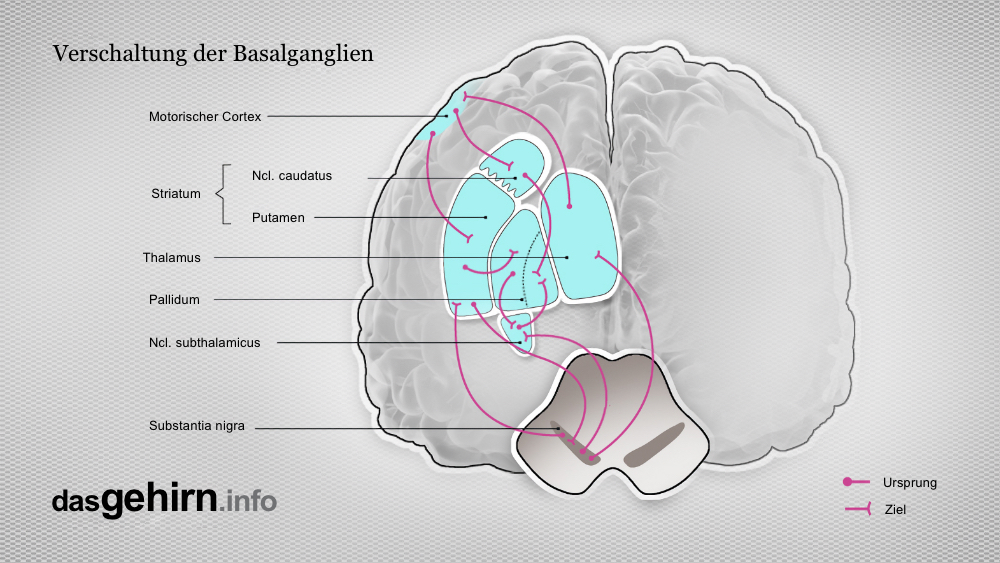
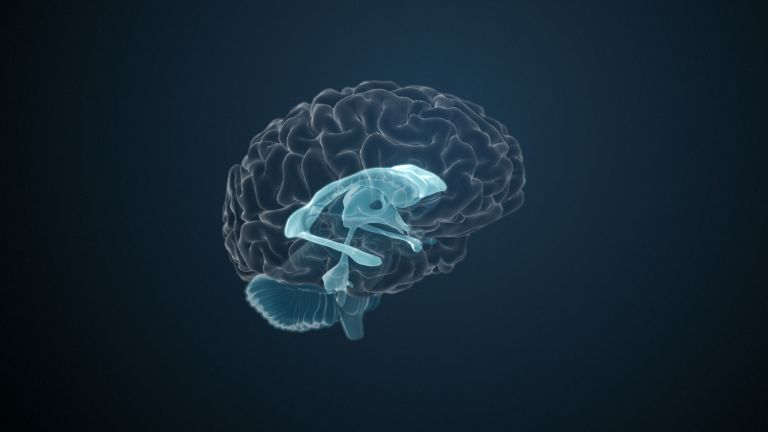
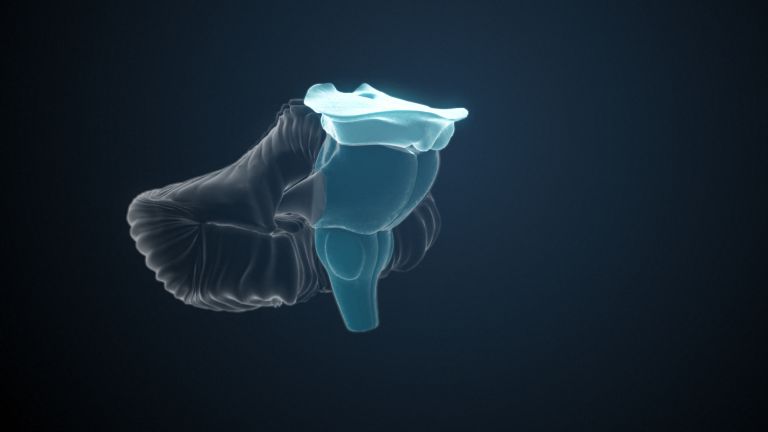
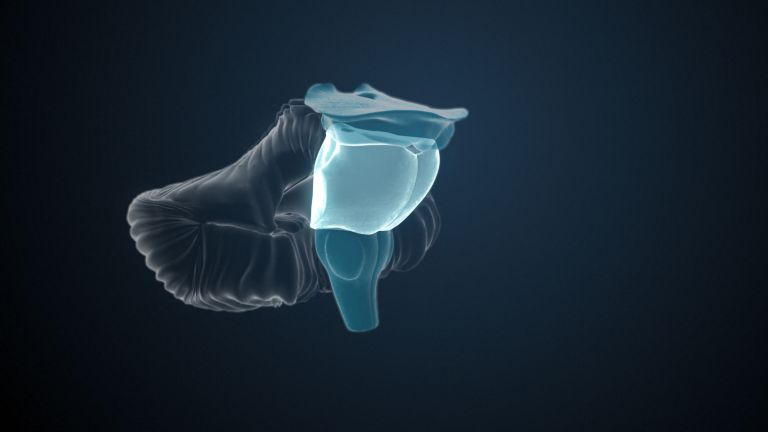
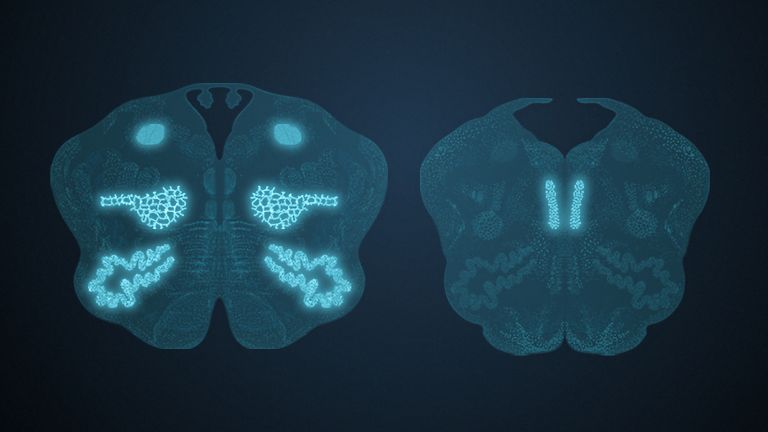
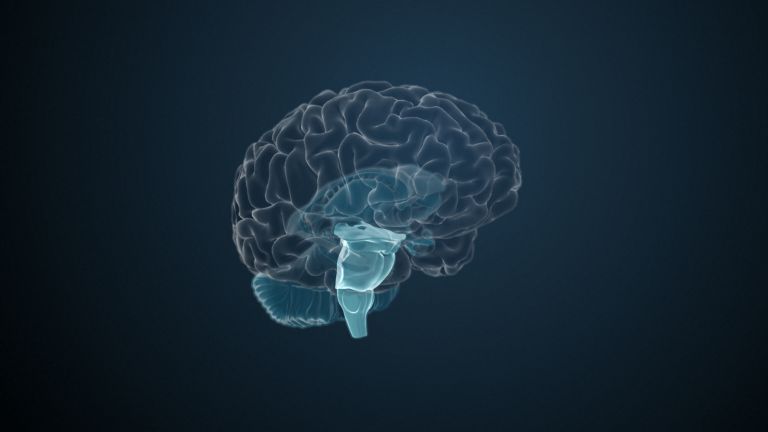
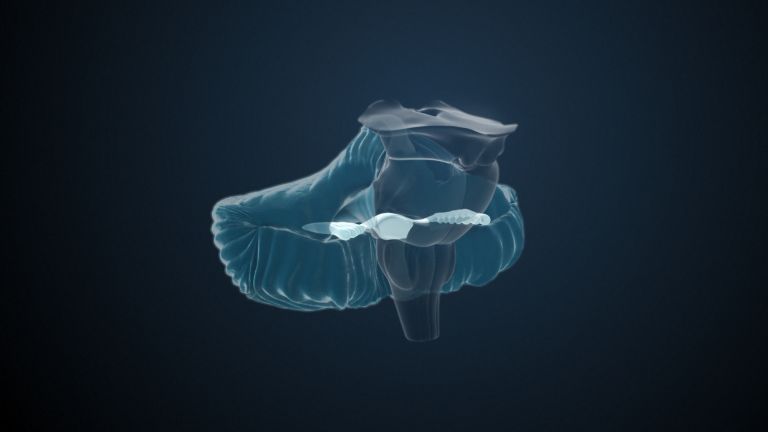
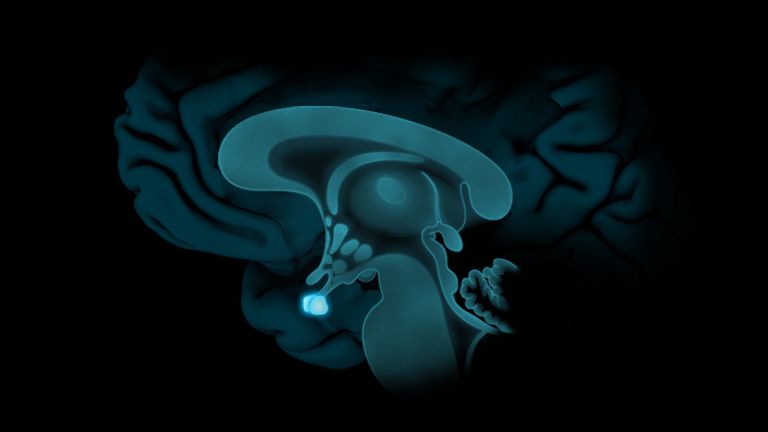
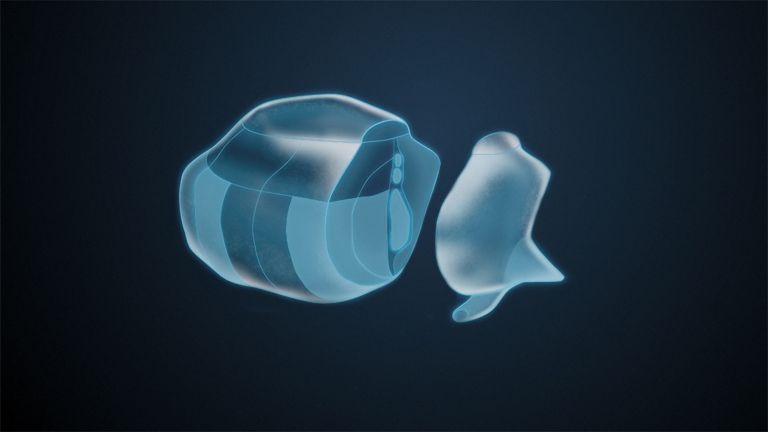
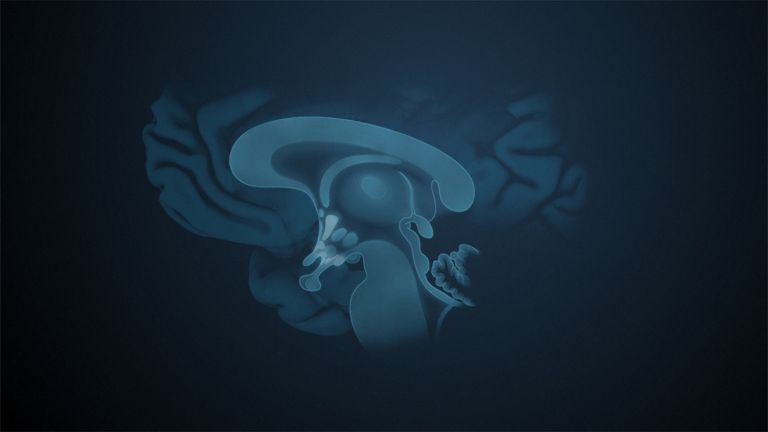
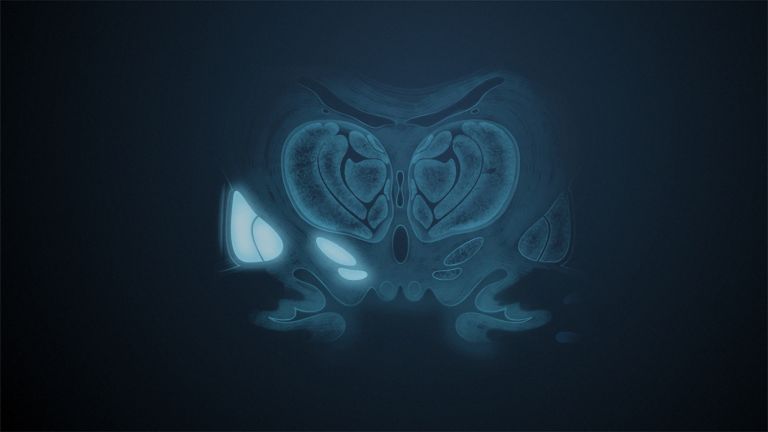
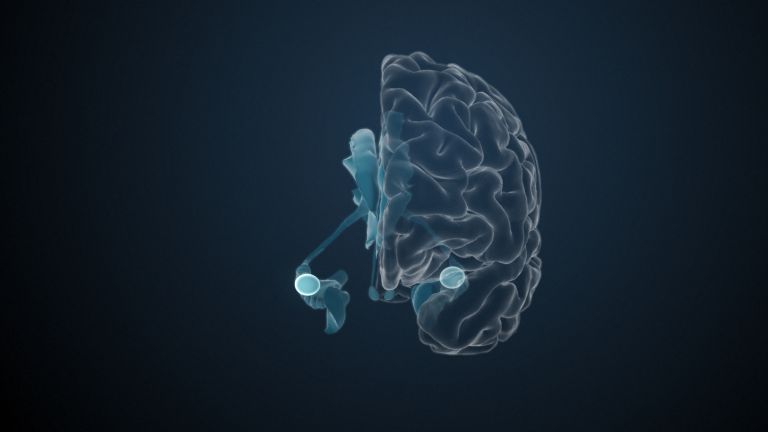
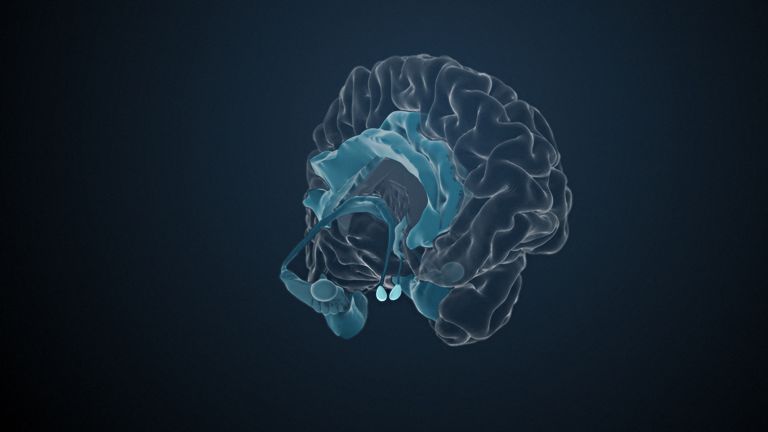
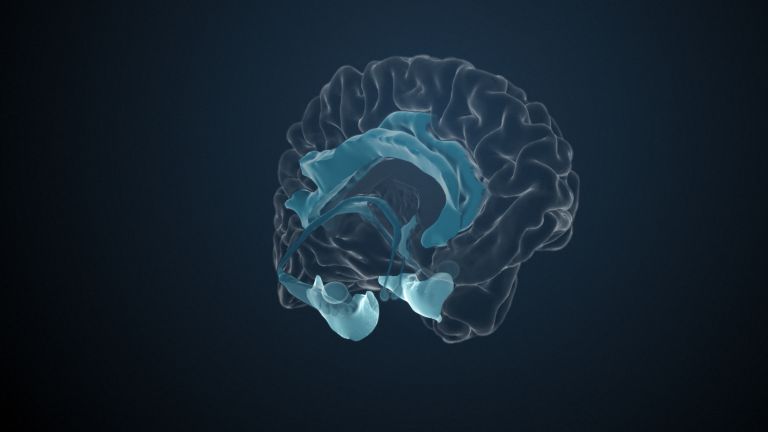
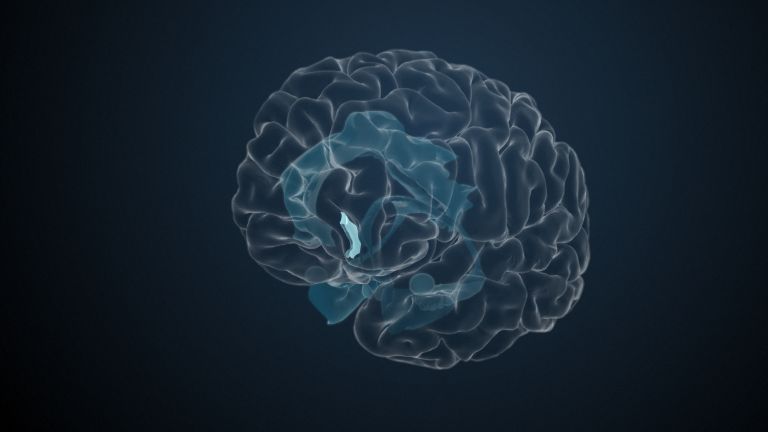
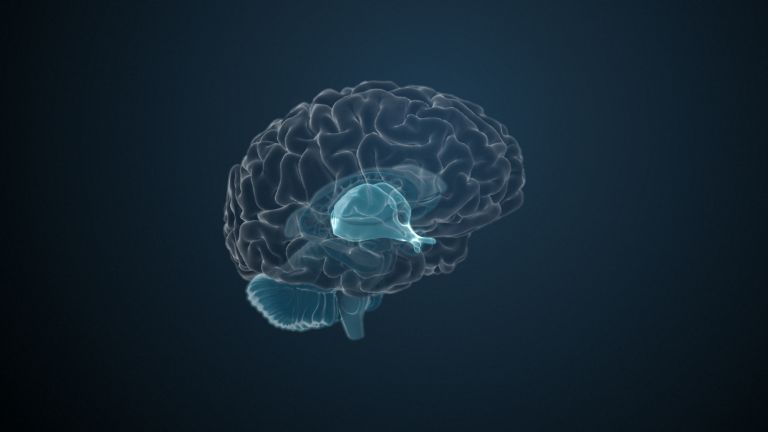
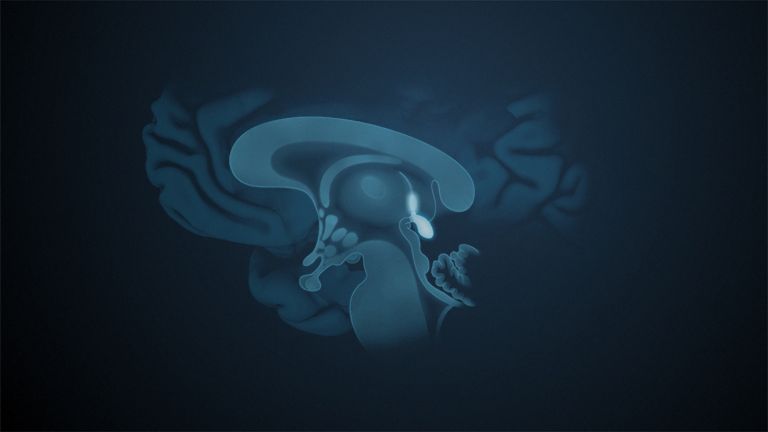
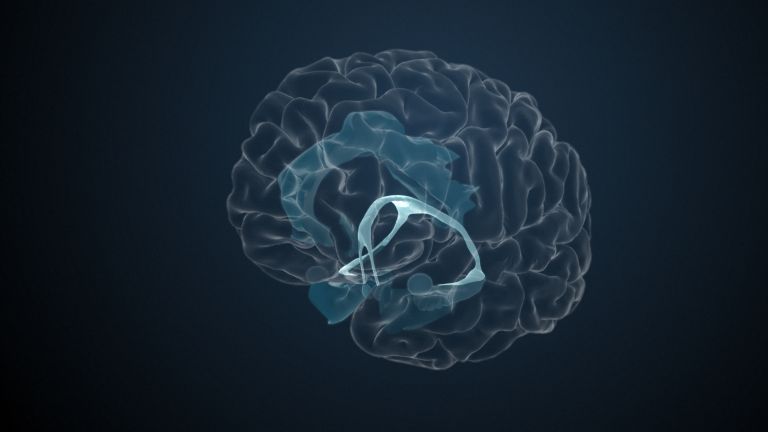
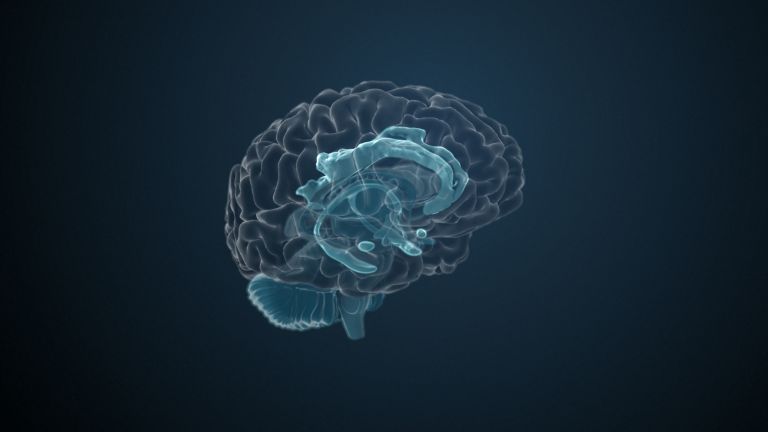
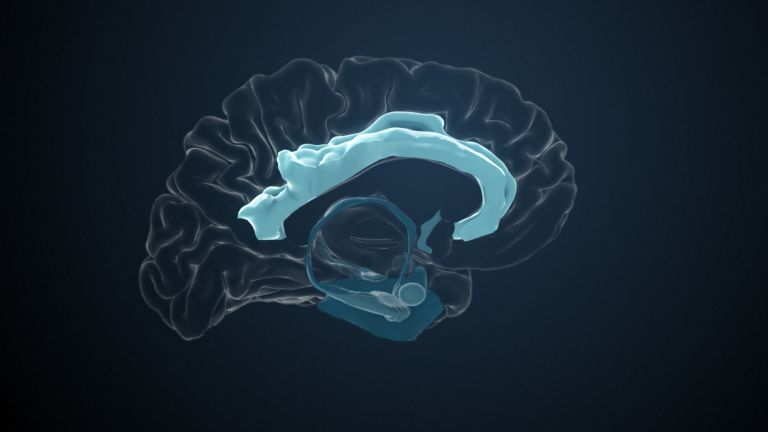
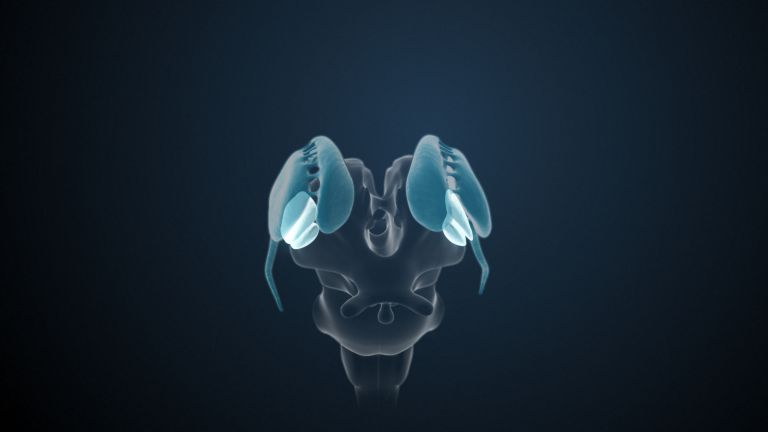
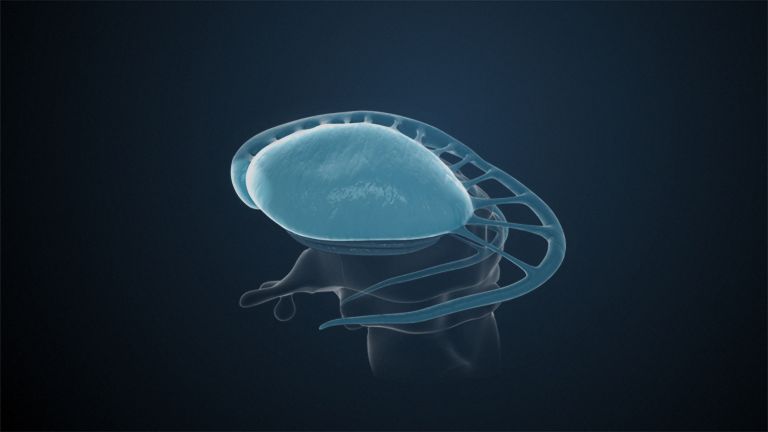
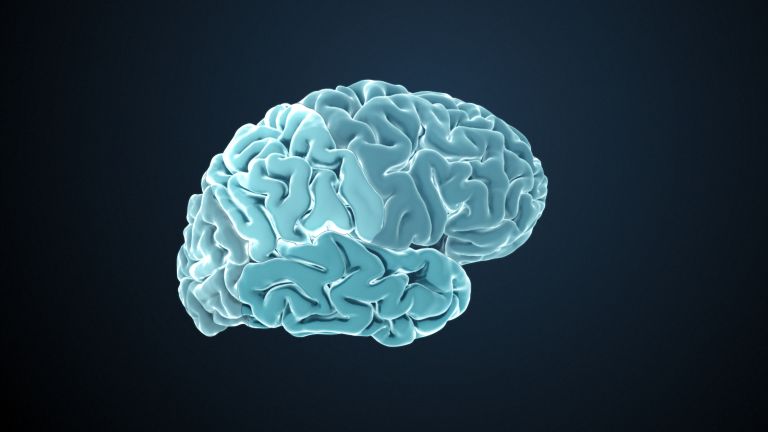
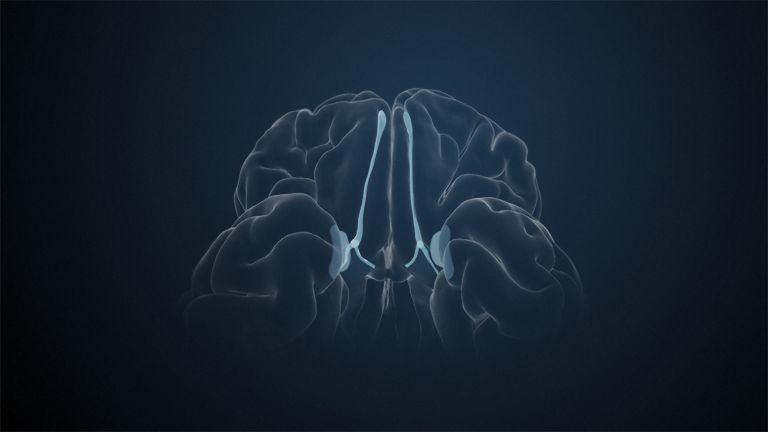
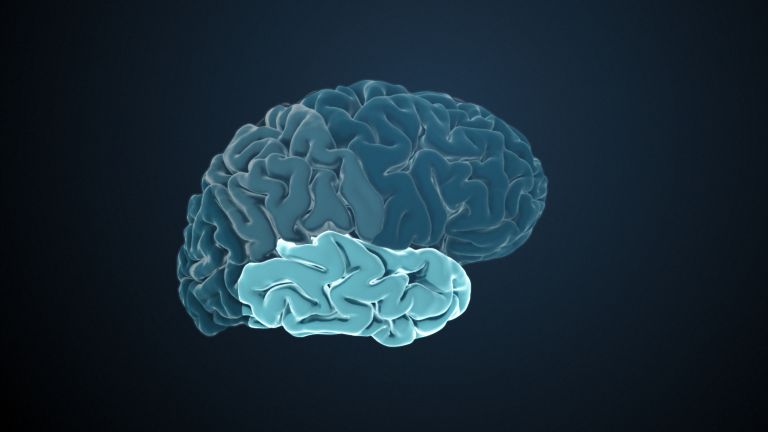
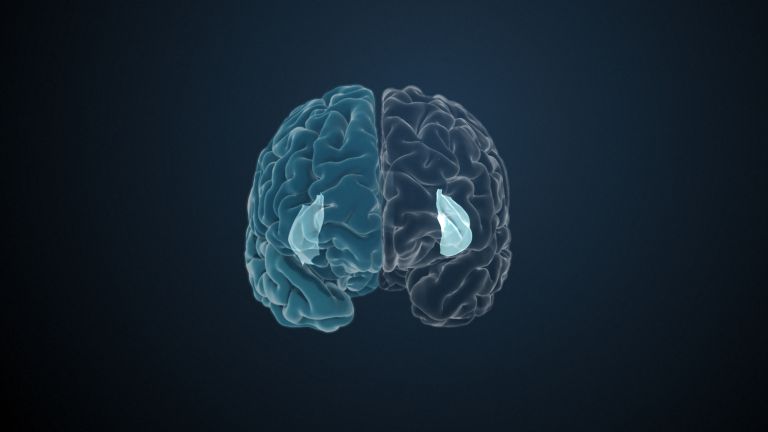
Die Basalganglien verarbeiten über komplexe Regelschleifen motorische Informationen. Das aus Nucleus caudatus und Putamen bestehende Striatum verarbeitet Reize aus dem Cortex zu hemmenden Signalen an Substantia nigra und Pallidum. Die Substantia nigra schickt postwendend hemmende Signale zurück ins Striatum – und hemmt so dessen Hemmkraft. Das Pallidum hemmt den Thalamus und den Subthalamus. Der Subthalamus wiederum erregt das Pallidum und verstärkt so seine hemmenden Signale. Der Thalamus schließlich gibt das Ergebnis dieser komplexen Verschaltung als fein moduliertes motorisches Signal an den Cortex weiter.
Basalganglien/Nuclei basales/basal ganglia
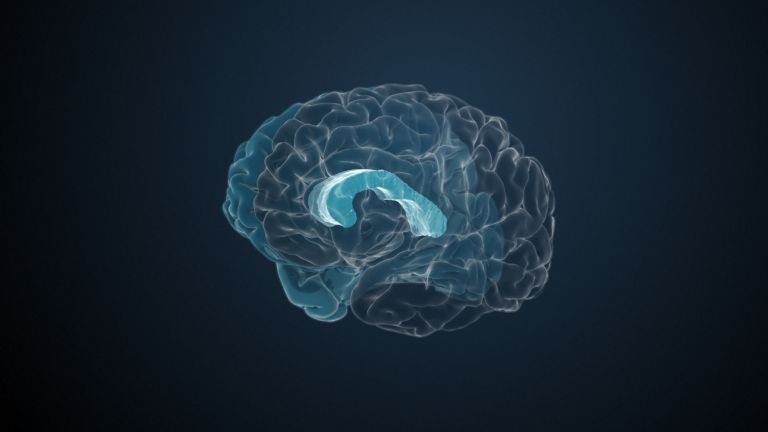
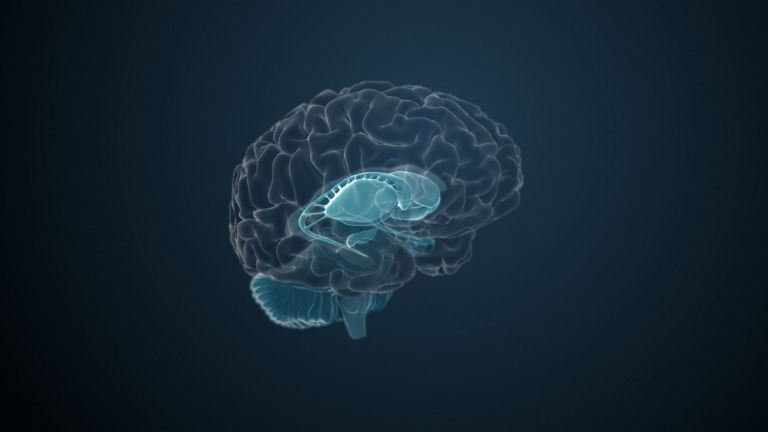
Basalganglien sind eine Gruppe subcorticaler Kerne (unterhalb der Großhirnrinde gelegen) im Telencephalon. Zu den Basalganglien zählen der Globus pallidus und das Striatum, und je nach Autor weitere Strukturen, wie z. B. die Substantia nigra und der Nucleus subthalamicus Die Basalganglien werden primär mit der Willkürmotorik in Verbindung gebracht, beeinflussen aber auch Motivation, Lernen und Emotion.
Nucleus
Nucleus/Nucleus/nucleus
Nucleus, Plural Nuclei, bezeichnet zweierlei: In der Zellbiologie den Zellkern, der unter anderem die Chromosomen enthält. In der Neuroanatomie bezeichnet es im Nervensystem eine Ansammlung von Zellkörpern – im zentralen Nervensystem als graue Substanz, im peripheren als Ganglien.
Nucleus caudatus
Nucleus caudatus/Nucleus caudatus/caudate nucleus
Teil der Basalganglien und bildet gemeinsam mit dem Putamen das Striatum. Anatomisch liegt der Nucleus caudatus frontal zur Mitte des Gehirns und zieht nach hinten, sodass er ein C bildet. Er besteht aus einem Kopf– (Caput nuclei caudati), einem Körper — (Corpus nuclei caudati) und einem Schwanzbereich (Cauda nuclei caudati). Im Gegensatz zu den eher motorischen Anteilen der Basalganglien besteht hier neben Motorfunktionen eine starke Vernetzung mit dem präfrontalen Cortex. Dadurch ist dieser Teil des Striatums auch stark an Kognition, Motivation und Emotion beteiligt.
Putamen
Putamen/-/putamen
Ein Kern der Basalganglien, der gemeinsam mit dem Nucleus caudatus das Striatum bildet. Als Teil des extrapyramidalen motorischen Systems ist es an der willkürlichen Motorik (willentlichen Bewegung) beteiligt.
Striatum
Striatum/Corpus striatum/striatum
Das Striatum ist eine zentrale Struktur der Basalganglien. Es setzt sich aus Nucleus caudatus und Putamen zusammen; der Nucleus accumbens zählt als ventraler Anteil funktionell ebenfalls dazu. Als wichtigste Eingangsstruktur der Basalganglien spielt das Striatum eine wesentliche Rolle bei der Steuerung von Bewegungsabläufen sowie bei Kognition, Motivationsvorgängen und im Rahmen des Belohnungssystems.
Cortex
Großhirnrinde/Cortex cerebri/cerebral cortex
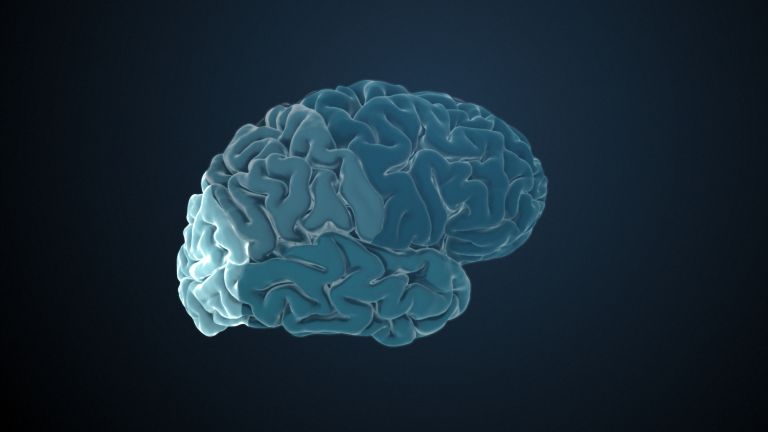
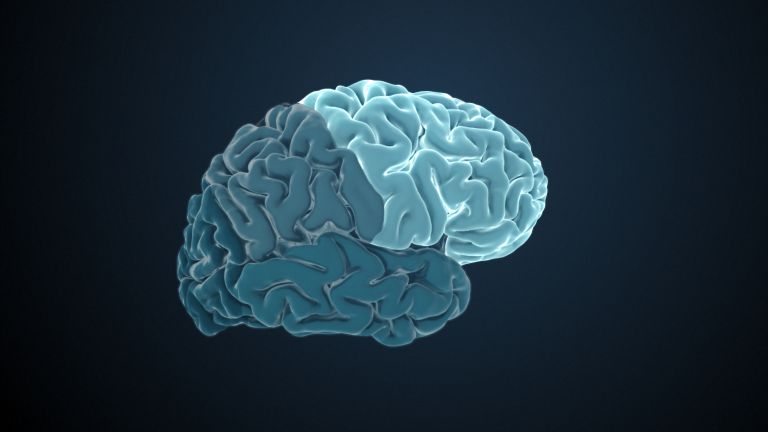
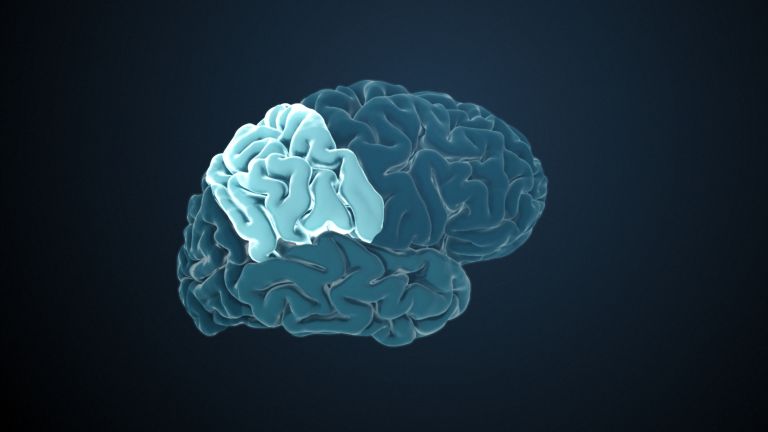
Cortex bezeichnet eine Ansammlung von Neuronen, typischerweise in Form einer dünnen Oberfläche. Meist ist allerdings der Cortex cerebri gemeint, die äußerste Schicht des Großhirns. Sie ist 2,5 mm bis 5 mm dick und reich an Nervenzellen. Die Großhirnrinde ist stark gefaltet, vergleichbar einem Taschentuch in einem Becher. So entstehen zahlreiche Windungen (Gyri), Spalten (Fissurae) und Furchen (Sulci). Ausgefaltet beträgt die Oberfläche des Cortex ca 1.800 cm2.
Substantia nigra
Substantia nigra/Substantia nigra/substantia nigra
Ein Kernkomplex im ventralen Mesencephalon, der eine zentrale Rolle bei der Bewegungseinleitung und -modulation spielt. Sie erscheint aufgrund von Neuromelanin dunkel. Ihre dopaminergen Neurone projizieren über die nigrostriatalen Bahnen zum Putamen und Nucleus caudatus. Ein Ausfall dieser Neurone führt zu den typischen Symptomen des Morbus Parkinson.
Pallidum
Pallidum/Globus pallidus/globus pallidus
Der „bleiche Kern“ (pallidum = bleich) wird aufgrund seiner funktionalen Einbindung zu den Basalganglien gezählt und gehört entwicklungsgeschichtlich zum Telencephalon. Er besitzt ein inneres – mediales – und ein äußeres – laterales – Segment, womit hauptsächlich hemmende Impulse abgegeben werden, um andere Teile der Basalganglien und des Thalamus in ihrer Aktivität zu modulieren.
Subthalamus
Subthalamus/-/subthalamus
Der Subthalamus ist ein Bereich des Diencephalons, der ventral unterhalb des Thalamus liegt. Er umfasst den Nucleus subthalamicus, der funktionell zum Basalgangliennetzwerk gehört. Der Subthalamus spielt eine wichtige Rolle bei der Regulation und Hemmung von Bewegungsabläufen sowie bei der Impulskontrolle.
Substantia nigra
Substantia nigra/Substantia nigra/substantia nigra
Ein Kernkomplex im ventralen Mesencephalon, der eine zentrale Rolle bei der Bewegungseinleitung und -modulation spielt. Sie erscheint aufgrund von Neuromelanin dunkel. Ihre dopaminergen Neurone projizieren über die nigrostriatalen Bahnen zum Putamen und Nucleus caudatus. Ein Ausfall dieser Neurone führt zu den typischen Symptomen des Morbus Parkinson.
Striatum
Striatum/Corpus striatum/striatum
Das Striatum ist eine zentrale Struktur der Basalganglien. Es setzt sich aus Nucleus caudatus und Putamen zusammen; der Nucleus accumbens zählt als ventraler Anteil funktionell ebenfalls dazu. Als wichtigste Eingangsstruktur der Basalganglien spielt das Striatum eine wesentliche Rolle bei der Steuerung von Bewegungsabläufen sowie bei Kognition, Motivationsvorgängen und im Rahmen des Belohnungssystems.
Pallidum
Pallidum/Globus pallidus/globus pallidus
Der „bleiche Kern“ (pallidum = bleich) wird aufgrund seiner funktionalen Einbindung zu den Basalganglien gezählt und gehört entwicklungsgeschichtlich zum Telencephalon. Er besitzt ein inneres – mediales – und ein äußeres – laterales – Segment, womit hauptsächlich hemmende Impulse abgegeben werden, um andere Teile der Basalganglien und des Thalamus in ihrer Aktivität zu modulieren.
Subthalamus
Subthalamus/-/subthalamus
Der Subthalamus ist ein Bereich des Diencephalons, der ventral unterhalb des Thalamus liegt. Er umfasst den Nucleus subthalamicus, der funktionell zum Basalgangliennetzwerk gehört. Der Subthalamus spielt eine wichtige Rolle bei der Regulation und Hemmung von Bewegungsabläufen sowie bei der Impulskontrolle.
Cortex
Großhirnrinde/Cortex cerebri/cerebral cortex
Cortex bezeichnet eine Ansammlung von Neuronen, typischerweise in Form einer dünnen Oberfläche. Meist ist allerdings der Cortex cerebri gemeint, die äußerste Schicht des Großhirns. Sie ist 2,5 mm bis 5 mm dick und reich an Nervenzellen. Die Großhirnrinde ist stark gefaltet, vergleichbar einem Taschentuch in einem Becher. So entstehen zahlreiche Windungen (Gyri), Spalten (Fissurae) und Furchen (Sulci). Ausgefaltet beträgt die Oberfläche des Cortex ca 1.800 cm2.
Basalganglien
Basalganglien/Nuclei basales/basal ganglia
Basalganglien sind eine Gruppe subcorticaler Kerne (unterhalb der Großhirnrinde gelegen) im Telencephalon. Zu den Basalganglien zählen der Globus pallidus und das Striatum, und je nach Autor weitere Strukturen, wie z. B. die Substantia nigra und der Nucleus subthalamicus. Die Basalganglien werden primär mit der Willkürmotorik in Verbindung gebracht, beeinflussen aber auch Motivation, Lernen und Emotion.
Globus pallidus
Globus pallidus/Globus pallidus/globus pallidus
Der Globus pallidus, auch Pallidum genannt, ist eine Kernstruktur der Basalganglien. Es handelt sich um einen motorischen Kern des extrapyramidalen Systems, beteiligt an der Regulation von Bewegungen. Das Pallidum weist einen hemmenden und einen erregenden Teil auf. Die lateinische Bezeichnung pallidus - bleich - bezieht sich auf die Färbung dieses Kerns.
Nucleus
Nucleus/Nucleus/nucleus
Nucleus, Plural Nuclei, bezeichnet zweierlei: In der Zellbiologie den Zellkern, der unter anderem die Chromosomen enthält. In der Neuroanatomie bezeichnet es im Nervensystem eine Ansammlung von Zellkörpern – im zentralen Nervensystem als graue Substanz, im peripheren als Ganglien.
Nucleus subthalamicus
Nucleus subthalamicus/Nucleus subthalamicus/subthalamic nucleus
Der Nucleus subthalamicus ist zwar ein Kern des Subthalamus im Diencephalon, funktionell jedoch eng in die motorische Steuerung der Basalganglien eingebunden. Seine Schädigung kann vorübergehend zu unkontrollierten, wurfartigen Bewegungen der Extremitäten führen – dem Ballismus.
Putamen
Putamen/-/putamen
Ein Kern der Basalganglien, der gemeinsam mit dem Nucleus caudatus das Striatum bildet. Als Teil des extrapyramidalen motorischen Systems ist es an der willkürlichen Motorik (willentlichen Bewegung) beteiligt.
Nucleus caudatus
Nucleus caudatus/Nucleus caudatus/caudate nucleus
Teil der Basalganglien und bildet gemeinsam mit dem Putamen das Striatum. Anatomisch liegt der Nucleus caudatus frontal zur Mitte des Gehirns und zieht nach hinten, sodass er ein C bildet. Er besteht aus einem Kopf– (Caput nuclei caudati), einem Körper — (Corpus nuclei caudati) und einem Schwanzbereich (Cauda nuclei caudati). Im Gegensatz zu den eher motorischen Anteilen der Basalganglien besteht hier neben Motorfunktionen eine starke Vernetzung mit dem präfrontalen Cortex. Dadurch ist dieser Teil des Striatums auch stark an Kognition, Motivation und Emotion beteiligt.
frontal
frontal/-/frontal
Eine anatomische Lagebezeichnung – frontal bedeutet „zur Stirn hin“ gelegen, also vorne.
Motivation
Motivation/-/motivation
Ein Motiv ist ein Beweggrund. Wird dieser wirksam, spürt das Lebewesen Motivation – es strebt danach, sein Bedürfnis zu befriedigen. Zum Beispiel nach Nahrung, Schutz oder Fortpflanzung. Motivation kann intrinsisch (von innen, z. B. Neugier) oder extrinsisch (von außen, z. B. Belohnung) sein.
Kern
Kern/-/nucleus
In der Zellbiologie ist der Kern in einer Zelle der Zellkern, der unter anderem die Chromosomen enthält. In der Neuroanatomie bezeichnet der Kern im Nervensystem eine Ansammlung von Zellkörpern – im zentralen Nervensystem als graue Substanz, im peripheren als Ganglien bezeichnet.
Nucleus accumbens
Nucleus accumbens/Nucleus accumbens/nucleus accumbens
Der Nucleus accumbens ist ein Kern in den Basalganglien, der dopaminerge (auf Dopamin reagierende) Eingänge vom ventralen Tegmentum bekommt. Er wird mit Belohnung und Aufmerksamkeit, aber auch mit Sucht assoziiert. In der Schmerzverarbeitung ist er an motivationalen Aspekten des Schmerzes (Belohnung, Schmerzabnahme) sowie an der Wirkung von Placebos beteiligt.
ventral
ventral/-/ventral
Eine Lagebezeichnung – ventral bedeutet „zum Bauch hin“ gelegen. Im Bezug auf das Nervensystem handelt es sich um eine Richtung senkrecht zur neuralen Achse, also nach unten oder nach vorne.
Bei Tieren (ohne aufrechten Gang) ist die Bezeichnung einfacher, dort bedeutet sie immer zum Bauch gelegen. Durch den aufrechten Gang des Menschen knickt das Gehirn im Bezug auf das Rückenmark ab, wodurch ventral zu „vorne“ wird.
Hemmung
Hemmung/-/inhibition
Die neuronale Inhibition, oder auch Hemmung umschreibt das Phänomen, dass ein Senderneuron einen Impuls zum Empfängerneuron sendet, der bei diesem dazu führt, dass seine Aktivität herabgesetzt wird. Der wichtigste hemmende Botenstoff ist GABA.